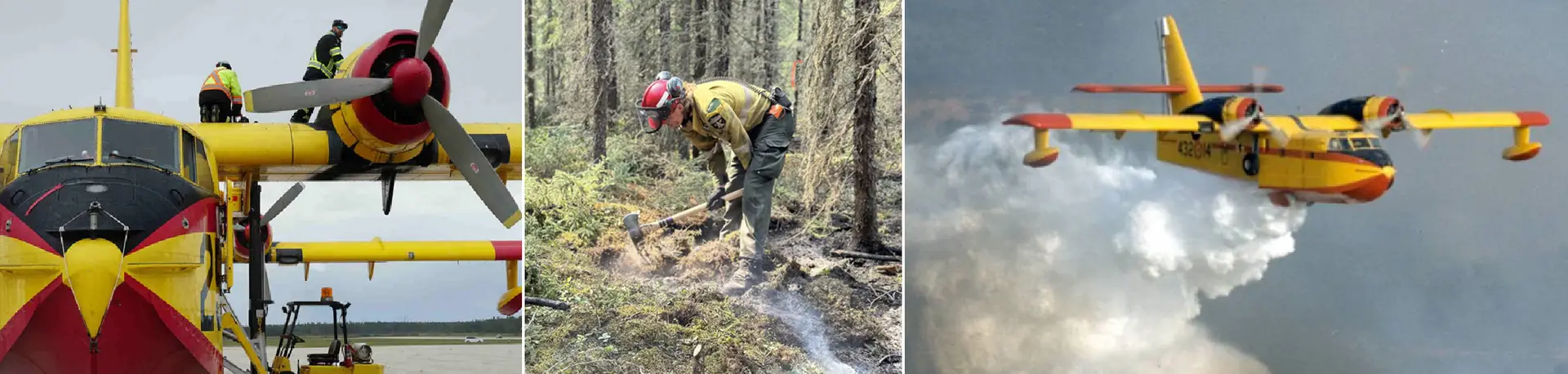
With the above-average snowfall across much of northern and central Alberta in early 2026, and a long stretch of cold periods from late November into April, it’s natural to think wildfire risk might be lower this spring. Unfortunately, it’s not quite that simple. Wildfire activity depends on a mix of conditions, and how those come together over the next month or so will really shape the season ahead.
What Spring 2026 Might Bring
Forecasts for Alberta are a bit mixed right now. While much of Canada is expected to see unusually warm temperatures, here at home the picture isn’t entirely clear. That said, many projections point toward a warmer, and possibly a much drier May. If that shift happens quickly after the snow melts, wildfire risk could climb in a hurry.

Recent weather patterns to the south may also offer a clue. Parts of the United States experienced extreme heat as early as March, drying out soil and vegetation faster than usual. Conditions like that can move northward over time, and when they do, they can leave forests more vulnerable earlier in the season.
Why Risk Can Build Quickly
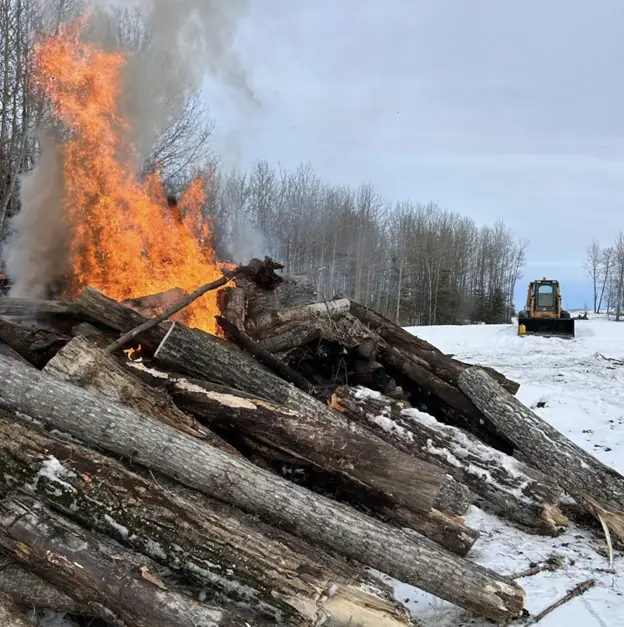
Boreal forests cover about 58% of Alberta, including the Slave Lake region, making these areas particularly sensitive in spring.
One is the presence of “holdover” fires, sometimes called “zombie fires.” These are fires that smoulder underground through the winter, insulated by snow and soil. As temperatures rise and the snow melts, they can quietly re-emerge and spread before they’re even noticed.
Fuel conditions also play a big role. Areas affected by mountain pine beetle activity remain highly flammable, and dry, warm weather can quickly turn those forests into ready fuel. Add in lightning, which is a major cause of fires in remote areas, and the risk increases further. Closer to communities and industrial sites, most fires are linked to human, usually accidental, activity.
After three active wildfire seasons in a row, including the record-setting year in 2023, there’s growing awareness that this may be part of an ongoing pattern rather than a one-off event. It’s something wildlife researchers are watching closely.
Small Actions Make a Big Difference
Wildfire season in Alberta officially began on March 1, the earliest in Canada, and about 60% of wildfires here are caused by people. The good news is that this also means many fires are preventable.
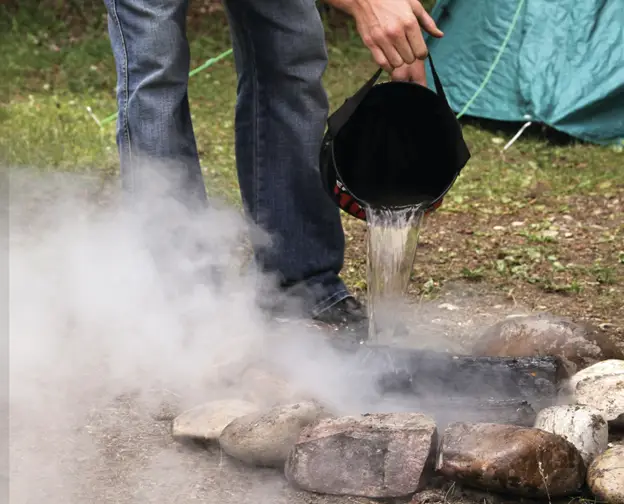
Simple steps go a long way. Keeping an eye on fire bans and restrictions, making sure permits are in place when needed, and fully extinguishing campfires – soaking, stirring, and soaking again – can significantly reduce risk.
For those working outdoors or in industrial settings, being mindful of equipment that can spark in dry conditions is just as important.
Around homes and properties, a bit of preparation can make a real difference too. Clearing away dry brush, keeping grass trimmed, and creating space between structures and surrounding vegetation can all help reduce the chance of fire spreading.
You can also read more about protecting homes and property from wildfires in our March 2024 website post, What we can each do to prepare for this year’s wildfire season and also check out the FireSmart Alberta website.
Working Together This Season
Alberta has already seen wildfire activity early in 2026, and as the season progresses, more fires are expected. While we can’t control the weather, we can control how we prepare and respond.
At Vanderwell, we’ve taken steps in recent years to strengthen our wildfire readiness, including developing a comprehensive emergency response plan tailored to our operations. It outlines clear procedures and ensures we have the equipment and systems in place to respond quickly if needed.
Wildfire risk is part of living and working in the boreal forest, but it’s something we can manage better when we all play a part.