When the clocks “spring forward” on March 8, the loss of an hour of sleep can affect alertness behind the wheel. Research shows traffic collisions increase in the days following the time change, particularly on rural roads. Fatigue slows reaction time and decision-making, increasing risk when combined with changing road conditions.
Spring also brings more activity on and around the road:
- Wildlife such as deer, moose, and elk are more active at dawn and dusk.
- Farm equipment becomes more common and often travels at slower speeds or makes unexpected turns.
- Visibility challenges like low sun glare can make hazards harder to see.
Slow down in wildlife zones, scan well ahead, and allow extra travel time so you’re not tempted to rush.
For those working in heavy industry, fatigue can also increase the risk of errors on the job. During the week following the time change, take extra care, follow procedures, communicate clearly, and speak up if fatigue becomes a concern.
Safe Driving as Winter Gives Way to Spring
In northern Alberta, winter doesn’t end on a set date. March and April often bring a mix of snow, meltwater, ice, and bare pavement, sometimes all on the same day. For our employees and contractors, many of whom travel long distances on highways, range roads, and resource roads, safe driving remains a critical part of getting the job done.
Transportation is central to our business. From personal vehicles to log haul trucks moving product every day, we all share the road. As seasons change, staying alert and prepared helps protect ourselves, our coworkers, and the communities we travel through.
Know Before You Go
Spring weather can change quickly. Before heading out, check the forecast and current road conditions, especially if you’re traveling early in the morning or late at night when temperatures can dip below freezing.
Alberta 511 provides real-time updates on road conditions, closures, and advisories to help with route planning.
Being informed allows you to adjust expectations. Sometimes the safest decision is allowing extra travel time or delaying a trip if conditions are deteriorating.

Keep Winter Tires On (For Now)
While daylight is increasing, winter tires remain the best option until the risk of snow and ice has clearly passed. Freeze-thaw cycles can quickly turn wet roads icy, particularly in shaded areas, on bridges, and on overpasses. Winter tires provide better traction and braking in these conditions and can significantly reduce the risk of collisions.

Adjust Your Driving for Conditions
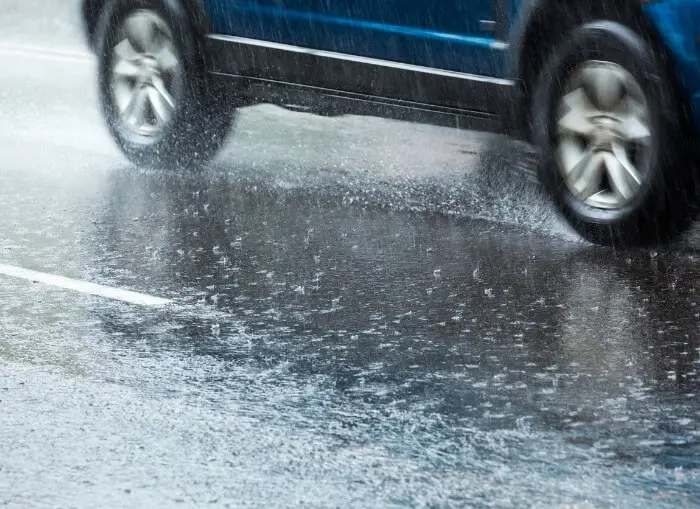
Spring driving requires flexibility. Reduce your speed when roads are slippery and increase your following distance to allow for longer stopping times. Watch for black ice in the early mornings and evenings, and be cautious where snowmelt crosses the roadway.
When sharing the road with log haul trucks or other large vehicles, remember they require more time and distance to stop and maneuver. Patience and awareness go a long way toward keeping everyone safe.
Make Sure Your Vehicle Is Ready
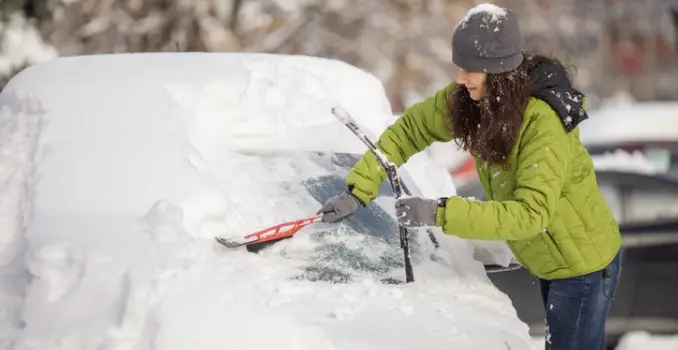
A quick vehicle check can prevent bigger problems on the road. Ensure your brakes, lights, windshield wipers, and defrosters are working properly. Keep your windshield, lights, roof, and mirrors clear of snow and ice since what blows off your vehicle can become a hazard for others.
Spring is also a good time to top up washer fluid and carry extra, as road spray and slush can reduce visibility quickly.
Spring Forward: Staying Alert During the Time Change
When the clocks “spring forward” on March 8, the loss of an hour of sleep can affect alertness behind the wheel. Research shows traffic collisions increase in the days following the time change, particularly on rural roads. Fatigue slows reaction time and decision-making, increasing risk when combined with changing road conditions.
Spring also brings more activity on and around the road:
- Wildlife such as deer, moose, and elk are more active at dawn and dusk.
- Farm equipment becomes more common and often travels at slower speeds or makes unexpected turns.
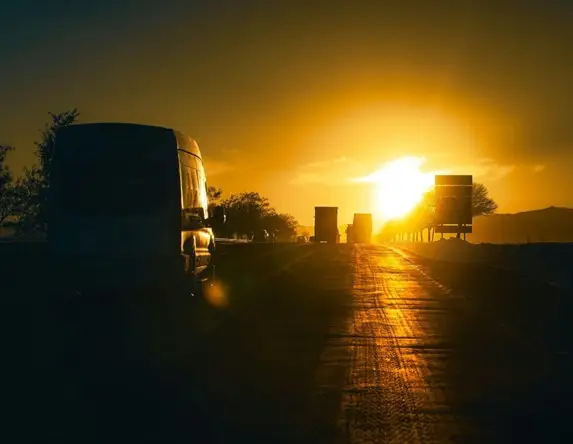
- Visibility challenges like low sun glare can make hazards harder to see.
Slow down in wildlife zones, scan well ahead, and allow extra travel time so you’re not tempted to rush.
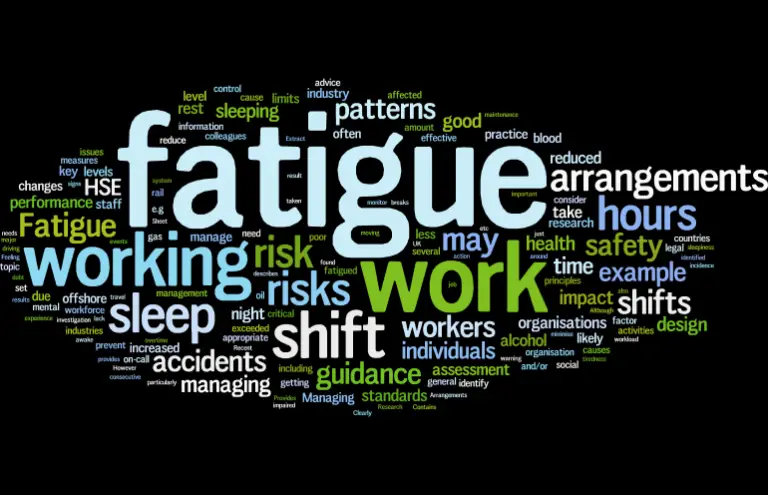
For those working in heavy industry, fatigue can also increase the risk of errors on the job.
During the week following the time change:
- take extra care,
- follow procedures,
- communicate clearly, and
- speak up if fatigue becomes a concern.
Looking Ahead
As winter slowly loosens its grip, a little extra preparation and patience can make a big difference.